The Way That You Present A Resident Speaks Volumes About You
Looking good and feeling good have always gone hand in hand. Your appearance is a reflection of the way that you treat yourself, and the way that you treat yourself will always be a reflection of how you feel.
As a person ages, their diminishing physical capabilities can result in a lack of ability to dress and present themselves. For elderly people who reside in aged care facilities, this responsibility will fall to the facility employees who have been entrusted with their care.
We are hearing so much these days about the treatment of residents in the nursing homes, and only yesterday another outcry about the low budget meals being served in some nursing homes.
It’s never an easy decision, deciding that a loved one needs to move into aged care, but sometimes it’s a necessary one.
Sometimes the reality is that they cannot live in their own home anymore, or it’s just not possible for the family to care for them. It’s a difficult process that the older person and their loved ones need to work on together to make it a successful one.
At the end of the day, everyone wants what’s best for the person – and that means having quality care in a home that is the best for them.
Though a lot of focus is often on location and cost, there are a number of other things people should be asking on facility tours to ensure they learn as much before making a decision.
Two of the questions people should ask when looking at aged care.
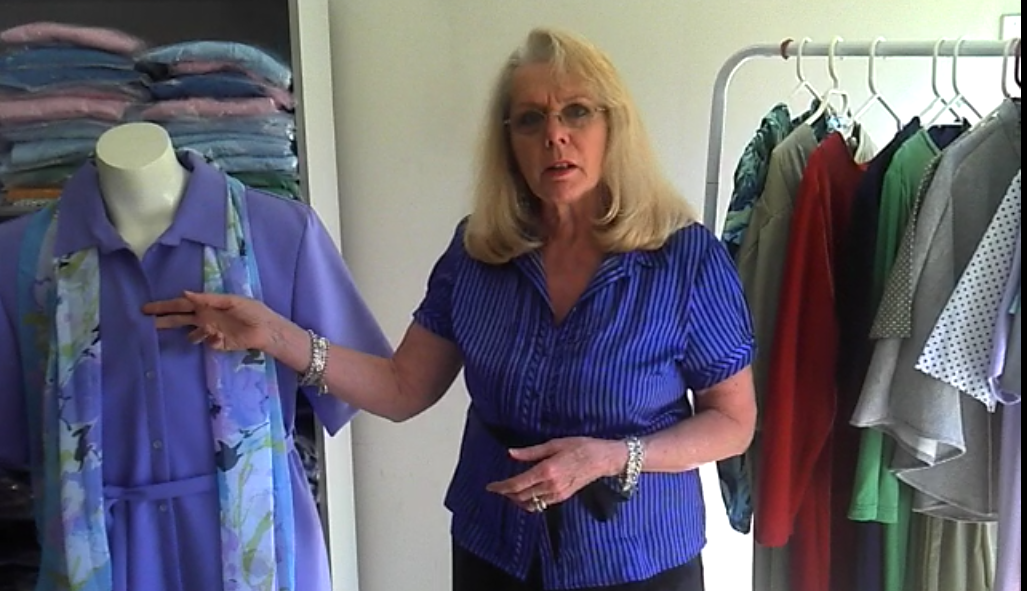
I would like to add that consideration should also be given to residents with limited mobility, who may require adaptive clothing that opens at the back for ease of dressing. Joints becoming stiff and painful and the more dignity and comfort we can provide for our loved ones, the better we all feel. Sample of available clothing in the video below.
The following interesting article is from the Aged Care Report Card News and I felt it worth sharing, as I am experiencing this with someone I dearly love.
It’s not just falls that occur later in life that can increase the risk of dementia, as there is also reason to believe that injuries sustained when younger can actually increase the chances of a person developing dementia symptoms.
A new study has suggested that suffering a concussion in your teens or 20s may result in brain damage that can lead to dementia. People in their 30s who had suffered concussions were shown to have thinning brain tissues, similar to those who have Alzheimer’s.
The Boston School of Medicine research brings youth brain health to the forefront, as people that young are typically free of dementia symptoms. The findings are of particular importance to Australian sports such as NRL and AFL, where head injuries are common.
The most important finding is how concussions may influence brain decay and why it is important for it to be assessed and recorded on medical records even if not considered serious.
According the the Mayo Clinic, a severe head injury that knocks you out for more than 24 hours can increase your future dementia risk, and that being unconsciousness for more than 30 minutes, but less than 24 hours, also increases dementia risk by a smaller scale.
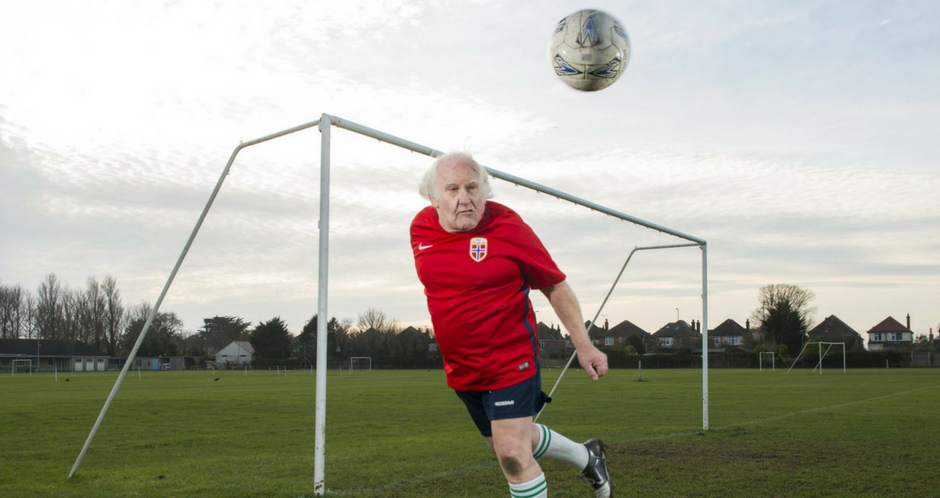
Repeated mild injuries may increase risk of future problems with thinking and reasoning. Another recent research even suggests that there may even be a connection between football and soccer and developing dementia.
This particular study began around 40 years ago, with 14 former players taking part. Of the 14, six of them had signs of Alzheimer’s disease when they underwent post-mortem examinations.
Four of the former player’s brains were found to have chronic traumatic encephalopathy (CTE) pathology, which is a possible consequence of repeated impacts to the brain.
However, it should be noted that there are also other factors that contribute to developing dementia aside from injury alone. Read more….
Researchers investigating how the brain could be made more resistant to age-related decline have found that the key is sleep.The University of Queensland’s School of Health and Rehabilitation Sciences researcher, Dr Martin Sale, said artificially boosting sleep-like brain activity in the elderly could help prevent a decline in brain function.“Sleep plays a key role in promoting neuroplasticity – the ability of the brain to re-wire itself – but as sleep quality reduces as we age, our brain function is affected,” Sale said.“Sleep is important in helping to consolidate the changes to brain function that occur whilst you are awake; for example, if you have a good night’s sleep after studying, you’re much better at remembering the material you learnt for an upcoming exam.“A portion of sleep, the deep part of sleep known as slow wave sleep, assists with strengthening the brain changes required for learning and memory that occur throughout the day.“We would like to artificially cause the relevant brain regions to oscillate at this slow frequency, to mimic slow wave sleep, but when the brain is awake.”Researchers can achieve this by passing a “small alternating electric current” between two parts of the brain, using what is described as a safe and often completely unnoticeable procedure.“In essence we are tricking the brain into thinking it’s asleep to harness the beneficial aspects of sleep even though it’s still awake,” Sale said.“Approximately 50 per cent of adults complain of difficulty sleeping and approximately 20 per cent of adults aged over 65 have some form of cognitive impairment.
Source: Sleep essential for brain function in elderly | Aged Care Insite
I was delighted to hear the news last night that the Dementia Village proposed for Tasmania is a little more than just a thought.
“The project is a collaboration between aged care provider Glenview Community Services and health sector superannuation fund HESTA, which will kick in $19 million. The Commonwealth Government is also providing funding”. as stated by ABC Newsread more…
This is closer to patient centered care, but I also acknowledge this is an extreme example that is not possible in every care facility. I hope we see more of it throughout Australia, or at least something similar where the residents feel comfortable in their surroundings, and are provided with a lifestyle that relates to who they are and the life they have lived.
Laughing with friends seems like a pretty great way to help with anxiety, pain,and stress!
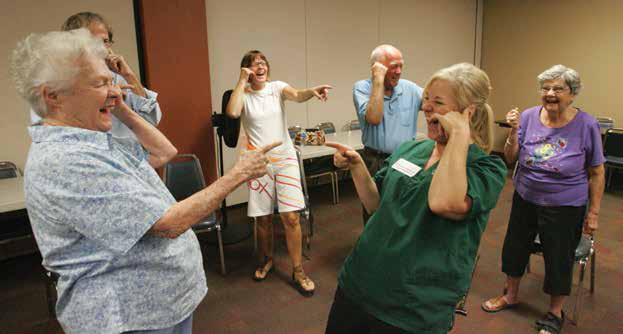
How would you like a laugh-fest each morning? A hearty laugh really gets the day going! Laughing clubs are a place where individuals can practice Laughter Yoga. Also known as Hasyayoga is packed with psychological and physical benefit. Developed by the Indian physician Madan Kataria, these clubs encourage members to participate in prolonged periods of voluntary laughter.
The activity is seen as an exercise, and as a way to encourage fun, healthy joy without equipment or constraint. Laughter relaxes the whole body and has the benefit of being socially contagious, hence Laughing Yoga is so often done in groups rather than as an independent activity.
A class will typically start with socialising and talk, followed by stretching and breathing exercises. Participants then begin exercises with specific elements associated with various forms of yoga, often under the guidance of an instructor. If you’re looking for a way to improve your mental and physical health, as well as that of friends and family, why not give Laughter Yoga a go? read more..
When you are young you don’t really give much thought about getting old. It is time to have fun and enjoy life, good health and friends. At twenty do you remember thinking that someone who was 50 was “old” and grandparents in their 60’s & 70’s were really ready to be put to pasture?
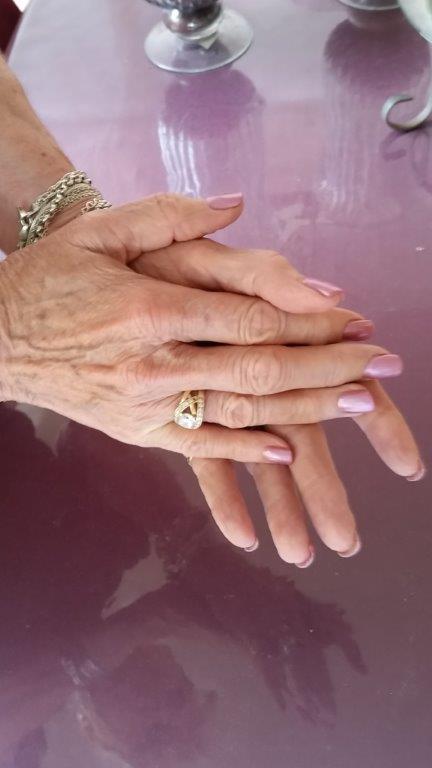
As we creep closer to these ages and beyond, we still want to feel young, but just know the body no longer lets us be so agile. I was looking at my hands yesterday realising how they have aged, now like I remember my mothers looking. I then drew back and thought about how I felt inside. I have been fortunate and lived a healthy life, but certainly as I am ageing, parts of me are starting to tell me to slow down, few aches in the hips etc, and that maybe I should exercise a little more, to keep the joints from stiffening up.
It is not hard to understand how painful it must be to move, when joints are stiff and movement is limited. I am so proud to feel that I have been able to work with the Care Managers to design the right clothing for their residents with High Care needs. For more information about dignified and comfortable clothing, please browse my website here.
 It is so important to wear clothing that provides comfort for those with limited mobility who cannot wear off the peg clothing, and not have to wear oversized stretchy clothes just because it is easier to get them on. There are




 Special Needs Clothing